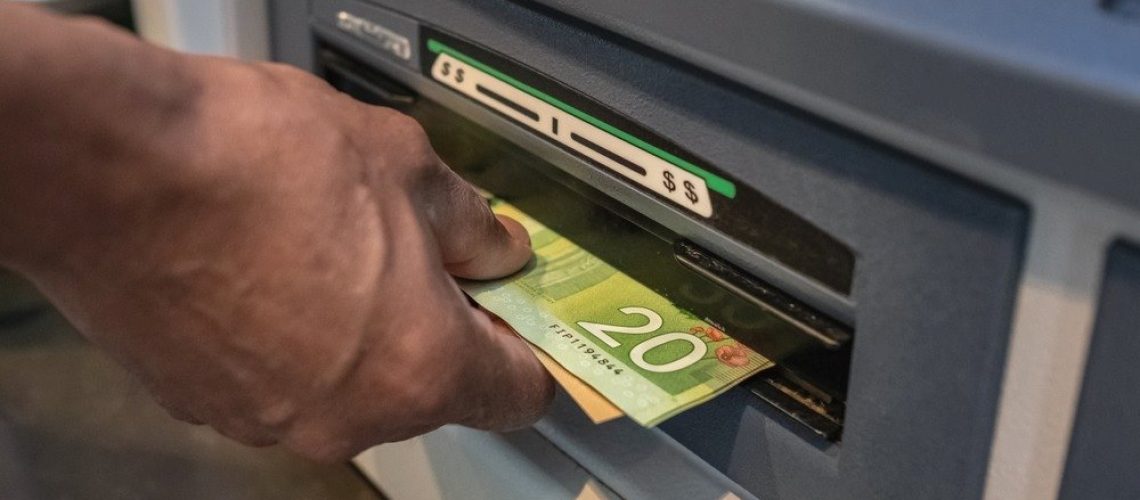

ATMs play a vital role in many Canadian businesses, providing customers with convenient access to cash while generating additional revenue for owners. However, an ATM is only profitable when it is operational. Unexpected breakdowns can lead to lost transactions, customer frustration, and costly repairs. This ATM maintenance guide for Canada will help business owners understand the importance of regular upkeep and how to keep their machines running efficiently around the clock.
Why ATM Maintenance Is Essential
Like any electronic equipment, ATMs experience wear and tear over time. Components such as card readers, cash dispensers, receipt printers, and communication systems are used repeatedly every day. Without routine maintenance, small issues can quickly develop into major problems.
A proactive maintenance approach helps extend the lifespan of your ATM, improves reliability, and reduces the risk of unexpected outages. Businesses that follow proper ATM upkeep tips Canada experts recommend are more likely to avoid expensive emergency repairs and maintain customer satisfaction.
Common Causes of ATM Downtime
Understanding what causes ATM failures is the first step toward prevention. Several factors can affect ATM performance, including:
- Cash dispenser jams caused by damaged or improperly loaded banknotes
- Card reader wear from frequent usage
- Receipt printer malfunctions due to paper shortages or hardware issues
- Network connectivity problems
- Power interruptions and electrical surges
- Outdated software or firmware
- Dust and debris accumulation inside the machine
Identifying these issues early can help prevent ATM downtime that Canadian business owners often experience during busy periods.
Daily ATM Maintenance Tasks
Daily inspections are one of the most effective ATM machine upkeep tips Canadian businesses can implement. A few minutes of routine checking can significantly reduce the likelihood of service interruptions.
Key daily tasks include:
- Checking cash levels and replenishing funds when necessary
- Inspecting receipt paper supplies
- Verifying network connectivity
- Examining the ATM exterior for signs of tampering or damage
- Cleaning touchscreens, keypads, and card slots
- Reviewing any warning messages or error notifications
By performing these checks regularly, business owners can catch minor issues before they become serious operational problems.
Creating an Effective ATM Servicing Schedule
A structured ATM servicing schedule Canada businesses can follow is critical for maintaining long-term reliability. While daily checks are important, professional servicing should also be scheduled periodically.
Monthly Maintenance
Monthly inspections should include:
- Internal cleaning
- Testing card readers and cash dispensers
- Reviewing software performance
- Checking security systems and surveillance integration
Quarterly Maintenance
Every three months, a qualified technician should:
- Inspect internal mechanical components
- Calibrate sensors
- Test communication systems
- Verify software updates and security patches
Annual Maintenance
An annual service should involve a comprehensive inspection of all major components, replacement of worn parts, and a complete performance evaluation. Following an ATM servicing schedule that Canadian operators trust can significantly reduce the risk of unexpected downtime.
How to Prevent ATM Downtime
Businesses looking to prevent ATM downtime in Canada business challenges should focus on preventive maintenance rather than reactive repairs.
Some effective strategies include:
- Installing surge protectors and backup power solutions
- Maintaining a stable internet connection
- Keeping the ATM in a clean, temperature-controlled environment
- Training staff to recognize warning signs and error messages
- Scheduling routine inspections with certified ATM technicians
- Updating software and firmware as recommended by manufacturers
These measures can help ensure your ATM remains available to customers at all times.
The Benefits of Professional ATM Maintenance
While some maintenance tasks can be handled internally, professional servicing provides additional advantages. Experienced technicians have the tools and expertise to identify hidden issues before they result in failures.
Professional maintenance can:
- Reduce repair costs
- Improve machine reliability
- Extend equipment lifespan
- Enhance security compliance
- Minimize business disruptions
Combining professional service with regular ATM upkeep tips, Canada specialists recommend creating a comprehensive maintenance strategy.
When to Call for Immediate Assistance
Certain ATM problems require prompt professional attention. Contact your service provider immediately if you notice:
- Frequent cash dispensing errors
- Repeated card reader failures
- Persistent network connection issues
- Unusual noises from internal components
- Security concerns or signs of tampering
- Error messages that do not clear after restarting the machine
Quick action can prevent small issues from escalating into major service interruptions.
Conclusion
Maintaining an ATM is not simply about fixing problems when they occur. A proactive approach that includes daily inspections, professional servicing, and preventive care is the best way to maximize uptime and profitability. By following this ATM maintenance Canada guide, implementing practical ATM upkeep tips Canada businesses rely on, and maintaining a consistent ATM servicing schedule Canada operators recommend, you can reduce breakdowns, improve customer satisfaction, and prevent ATM downtime Canada business owners want to avoid.
FAQ’s
Q1. Who do I call if my ATM stops working?
A: You should contact your ATM service provider, maintenance company, ATM deployer, or the manufacturer’s technical support team. Most providers offer dedicated support services for troubleshooting and repairs.
Q2. Can I service my own ATM in Canada?
A: Basic tasks such as cleaning, replenishing cash, and replacing receipt paper can often be performed by trained staff. However, internal repairs, software updates, and mechanical servicing should generally be handled by certified ATM technicians.
Q3. What causes ATMs to malfunction?
A: Common causes include cash jams, worn card readers, printer failures, network issues, power surges, outdated software, dust buildup, and physical tampering.
Q4. How often does an ATM need to be serviced?
A: Daily inspections are recommended, while professional maintenance should typically occur quarterly. A comprehensive annual service is also advised to ensure long-term reliability and performance.