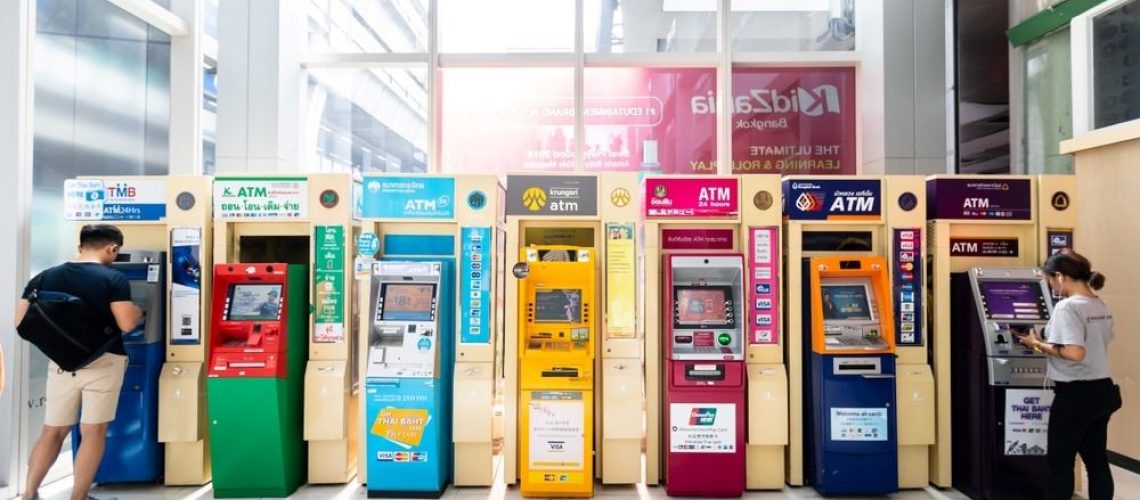

Installing an automated teller machine inside your store can create a steady revenue stream, increase foot traffic, and improve customer convenience. Yet many entrepreneurs jump into the opportunity without fully understanding the costs involved. From upfront equipment purchases to ongoing ATM fees, every detail affects profitability. Learning how pricing works helps you forecast earnings, manage risk, and design a system that benefits both your customers and your bottom line.
Why Businesses Add ATMs
Retailers, bars, salons, and convenience stores often use a business ATM setup to encourage cash spending. When customers have easy access to withdrawals, they tend to buy more and stay longer. A well planned business ATM setup also reduces card processing expenses because more purchases happen in cash. However, success depends on knowing how ATM service charges and maintenance expenses influence margins over time.
Types of ATM Fees You Should Expect
Before committing, it is important to understand common ATM fees that operators face. These may include equipment leasing or purchase costs, installation charges, network registration, armored cash loading, and software licensing. Some providers bundle these into monthly packages, while others charge separately. Evaluating each line item helps you compare vendors accurately and prevents unexpected ATM fees from eroding profits after installation.
Breaking Down ATM Transaction Fees
Every withdrawal processed through your machine triggers ATM transaction fees. These fees cover network routing, bank authorizations, and processor services. Although each charge seems small, the total adds up quickly when transaction volume increases. Careful monitoring of ATM transaction fees ensures that your surcharge rate stays profitable. By negotiating better processing contracts, many businesses reduce expenses and retain a larger share of revenue.
Understanding ATM Service Charges
Ongoing ATM service charges typically cover technical support, software updates, receipt paper, compliance checks, and repairs. Some companies offer flat rate plans, while others bill per call or per visit. Choosing predictable ATM service charges can simplify budgeting and prevent surprise invoices. Reviewing service agreements closely helps you determine what is included and whether extra costs apply for emergency maintenance or hardware replacements.
Planning Your Business ATM Setup
A successful business ATM setup begins with choosing the right location and partner. Machines placed near checkout counters or entrances usually perform best. You must also consider electrical access, security cameras, and insurance coverage. During a business ATM setup, clarify who handles cash replenishment and liability. Proper planning reduces downtime, protects funds, and ensures your ATM fees remain proportional to actual usage.
Balancing Costs and Customer Experience
Customers appreciate convenience, but excessive ATM fees may discourage repeat visits. Setting reasonable surcharges while managing ATM transaction fees is key. Compare rates in your neighborhood to stay competitive. Transparent signage explaining ATM service charges builds trust and reduces complaints. When customers feel treated fairly, they are more likely to use the machine frequently, which increases total transactions and offsets operating costs.
Strategies to Maximize Profit
Smart operators treat their ATM like any other revenue center. Track usage patterns, calculate monthly ATM fees, and review ATM service charges regularly. If transactions decline, adjust placement or marketing. Negotiating lower ATM transaction fees with processors can immediately boost margins. Periodically reassessing your business ATM setup ensures the machine continues delivering value rather than becoming an overlooked expense.
Compliance and Security Considerations
Regulations require clear disclosures, encrypted data handling, and accessibility standards. Failing to comply can lead to fines that outweigh your earnings. Invest in updated software and secure locks, even if it slightly increases ATM fees. Strong security reduces fraud, protects customers, and lowers long term ATM service charges by minimizing costly incidents or service calls.
Long Term Financial Impact
When managed carefully, an ATM can generate consistent passive income. The key is balancing predictable ATM fees with sustainable surcharges and controlled ATM transaction fees. Over time, a reliable business ATM setup not only pays for itself but also increases overall store revenue by keeping customers onsite. Understanding ATM service charges from the start allows you to plan realistically and avoid unpleasant financial surprises.
FAQ’s
Q1. What fees are associated with ATM placement?
A. Typical ATM fees include equipment costs, installation, cash loading, network registration, and ongoing ATM service charges for maintenance and support.
Q2. How are ATM service charges calculated?
A. Providers calculate ATM service charges through flat monthly plans or per visit billing, often based on support frequency, updates, and repair needs.
Q3. Can I pass ATM fees onto customers?
A. Yes, most operators offset ATM transaction fees by adding a small surcharge, but keeping prices reasonable maintains trust and encourages consistent usage.