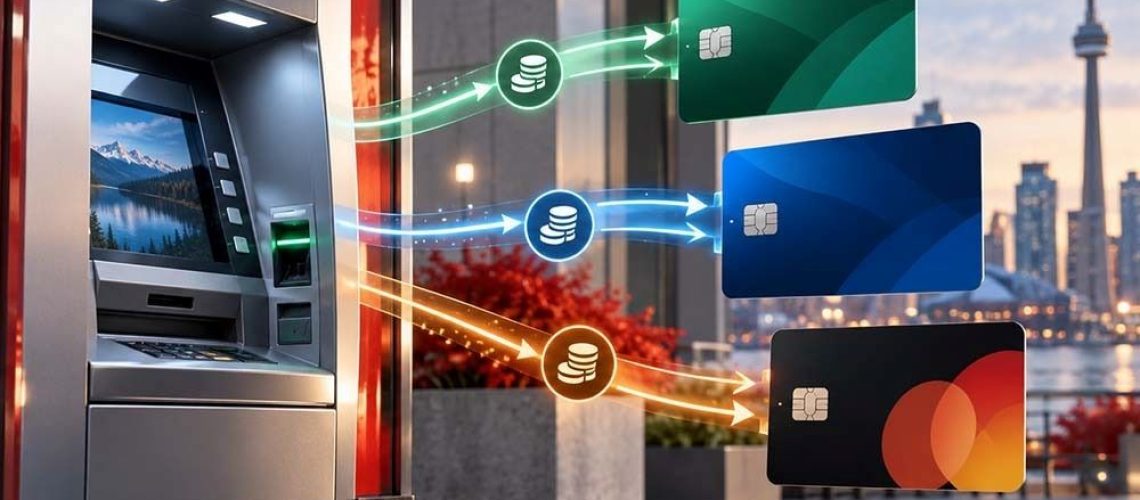

The Canadian ATM industry operates through multiple payment networks that allow cardholders to access cash conveniently. For ATM operators, understanding the differences between Interac, Visa, and Mastercard transactions is important because each network follows different processing methods, fee structures, and transaction requirements.
As the ATM market continues evolving in 2026, operators need to understand how transaction routing impacts revenue, costs, and customer experience. Whether handling domestic debit transactions or international card withdrawals, knowing the details behind Interac Visa Mastercard ATM fees Canada 2026 can help operators make better decisions about their ATM deployment strategies.
Each network connects financial institutions, payment processors, and ATM operators differently. These differences can influence processing costs, settlement procedures, and the overall profitability of ATM operations.
Interac ATM Transactions in Canada
Interac is one of the most recognized payment networks in Canada and is widely used for domestic debit transactions. Most Canadian bank customers use Interac when withdrawing cash from ATMs, making it a major part of the Canadian ATM ecosystem.
Interac ATM transaction cost Canada depends on various factors, including agreements between ATM operators, processors, financial institutions, and network providers. Operators typically consider transaction fees, connectivity costs, compliance requirements, and operational expenses when calculating profitability.
Interac transactions are generally associated with Canadian-issued debit cards. Since these transactions are processed through a domestic network, they are commonly used for everyday withdrawals by Canadian consumers.
For ATM operators, maintaining reliable Interac connectivity and compliance is essential to providing smooth customer experiences and avoiding transaction disruptions.
Visa and Mastercard ATM Transactions
Visa and Mastercard primarily support credit card and international debit card transactions. Unlike Interac, which focuses mainly on Canadian domestic debit payments, Visa and Mastercard networks connect ATM operators with cardholders from financial institutions worldwide.
Visa Mastercard ATM processing Canada involves additional network participants, including global payment networks, issuing banks, and acquiring processors. Because international transactions involve more parties, the fee structure can differ from domestic Interac transactions.
International cardholders often rely on Visa and Mastercard when travelling in Canada. This creates opportunities for ATM operators located in tourist areas, hotels, airports, entertainment venues, and other high-traffic locations.
Understanding Visa Mastercard ATM processing Canada requirements allows operators to better evaluate transaction revenue opportunities and manage associated processing expenses.
Comparing ATM Network Fee Structures
The ATM network fee comparison Canada depends on several factors, including transaction type, card origin, network agreements, processor pricing, and operator contracts.
Interac transactions generally involve Canadian debit card processing, while Visa and Mastercard transactions often involve international routing. The final cost of processing depends on the specific agreements between all parties involved.
ATM operators should consider more than just transaction fees when comparing networks. Other factors include:
- Processing reliability
- Settlement speed
- Customer acceptance
- Technical support
- Compliance requirements
- Revenue-sharing arrangements
A network with a lower processing cost may not always provide the highest overall value if it limits customer accessibility or transaction volume.
Revenue Differences Between Domestic and International Transactions
Many ATM operators wonder whether they earn the same revenue from Interac and international card transactions. The answer depends on the agreements in place between operators, processors, and financial institutions.
Do I earn the same from Interac and international card ATM transactions? Not necessarily. International transactions may involve different fee structures because they pass through global networks and may include additional processing components.
ATM operators should analyze transaction reports to understand their average revenue per transaction across different card types. Looking at transaction volume, surcharge revenue, and processing costs provides a clearer picture of profitability.
How ATM Interchange Fees Are Calculated in Canada
How are ATM interchange fees calculated in Canada? ATM interchange fees are determined through agreements between financial institutions, networks, processors, and ATM operators. The exact structure can vary depending on the transaction type and business relationship.
Factors that may influence ATM interchange fees include:
- Card network used
- Transaction location
- Processing provider
- Financial institution agreements
- Service arrangements
- Market conditions
Operators should regularly review their processing agreements to understand how fees affect their business performance.
Choosing the Right Network Strategy for ATM Operators
Successful ATM operators usually support multiple transaction types to maximize accessibility and customer convenience. Offering Interac, Visa, and Mastercard acceptance allows machines to serve both Canadian customers and international visitors.
A strong ATM strategy involves balancing network availability, operating costs, compliance obligations, and customer demand. Operators should monitor transaction data and adjust their approach based on actual usage patterns.
In 2026, ATM businesses that understand payment network differences will be better positioned to manage costs and improve customer satisfaction.
FAQs
Q1: What is the difference between Interac and Visa ATM transactions in Canada?
A: Interac transactions mainly support Canadian debit card withdrawals, while Visa ATM transactions often support credit cards and international debit cards. They operate through different payment networks and may have different processing requirements and fees.
Q2: Which ATM network charges the lowest fees in Canada?
A: The cost of each ATM network depends on agreements between operators, processors, and financial institutions. There is no single fee structure that applies to every operator, so businesses should review their specific contracts and transaction data.
Q3: Do I earn the same from Interac and international card ATM transactions?
A: No, earnings can vary between domestic Interac transactions and international card transactions. Revenue depends on network agreements, processing costs, transaction volume, and surcharge arrangements.
Q4: How are ATM interchange fees calculated in Canada?
A: ATM interchange fees are calculated based on agreements between payment networks, financial institutions, processors, and operators. Factors such as transaction type, card network, and service agreements can influence the final fee structure.