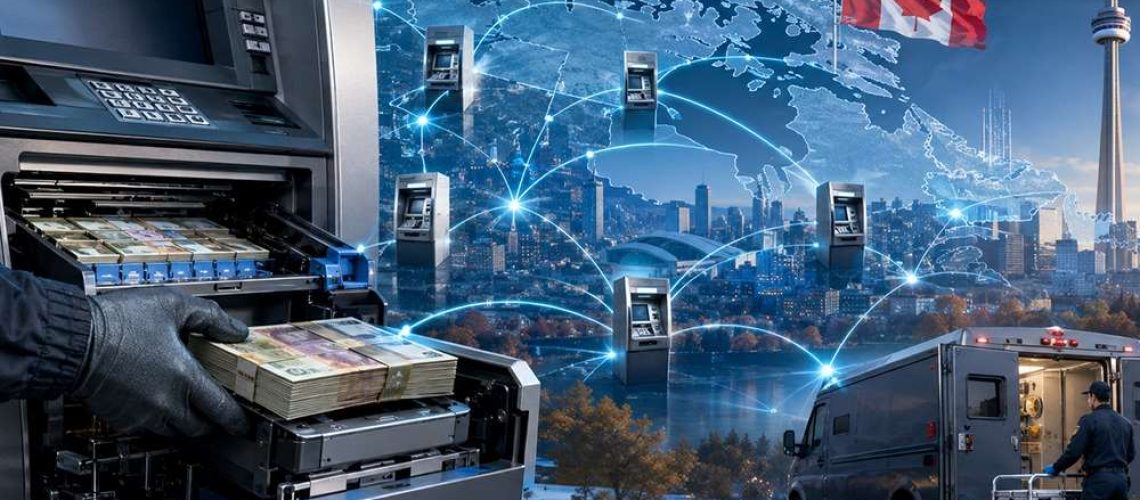

Owning an ATM in Canada involves more than installing a machine and keeping it filled with cash. Behind every withdrawal is a network of financial institutions, processors, transaction switches, and settlement systems working together. Understanding the ATM cash processing network Canada 2026 landscape helps owners understand where transactions go, how money moves, and why choosing the right service provider matters.
What Happens During an ATM Transaction?
When a customer inserts a card and requests cash, the ATM reads the card information and sends a transaction request through its connected processor. The request is routed to the cardholder’s financial institution for authorization. The bank checks the account and transaction details before returning an approval or decline.
If approved, the ATM dispenses cash and records the transaction. The processor then helps manage the transaction information and settlement between the relevant financial institutions. This is the basic process behind how ATM transactions are processed Canada wide.
Understanding Interac ATM Processing
Interac plays a central role in domestic Canadian debit transactions. Interac ATM processing Canada explained simply means that eligible transactions can travel through the Interac network so a customer’s bank and the ATM operator’s processing arrangements can communicate.
However, the ATM itself does not independently connect every bank. An ATM typically relies on a processor or network service provider to provide connectivity, transaction routing, monitoring tools, and services.
The Role of an ATM Network Provider
An ATM network provider Canada 2026 can serve as an important link between the machine and the broader payment ecosystem. Depending on the service, the provider may supply processing connectivity, transaction routing, monitoring, reporting, settlement support, and technical assistance.
A strong provider should clearly explain its fees, settlement procedures, support process, and network connections before an owner commits.
How Does Money Move?
A common question is, “How does money move when someone uses my ATM machine?” The physical cash comes from the ATM owner’s loaded cash supply. When a withdrawal is approved, the customer receives that cash immediately. The electronic side of the transaction then involves authorization and financial settlement.
The transaction amount is ultimately accounted for between the customer’s financial institution and the parties involved in operating and processing the ATM. Depending on the arrangement, the ATM owner may earn a surcharge or other agreed revenue while transaction-related fees are allocated among participating parties.
Who Connects ATMs to Interac?
Another frequent question is, “Who connects ATM machines to the Interac network in Canada?” In practice, ATM owners generally work with processors or specialized ATM service providers that provide network connectivity and transaction processing capabilities. The arrangement depends on the provider, machine configuration, and transaction type.
Ask prospective providers which networks they support, what services are included, and how technical issues are handled.
Processing vs. Placement
ATM processing and ATM placement are different services. Processing concerns the electronic handling, routing, authorization, and settlement of transactions. Placement concerns where a machine is installed and the commercial arrangement with the location owner.
A placement company may help identify high-traffic locations, negotiate agreements, install machines, or manage site relationships. A processor, meanwhile, focuses on transaction connectivity and related financial services. Some companies provide both, but owners should confirm exactly what is included.
Why Processing Matters to Owners
Reliable processing is essential because a machine can be physically operational yet unable to complete transactions if its network connection or processing service fails. Poor processing support can lead to declined transactions, downtime, confusing reports, and delayed issue resolution.
Before selecting a provider, compare transaction fees, settlement timing, support availability, reporting, connectivity, contract terms, and equipment compatibility. Understanding the ATM cash processing network Canada 2026 structure also makes it easier to evaluate claims from vendors.
Final Thoughts
The ATM ecosystem combines physical cash management with electronic payment infrastructure. Once owners understand how ATM transactions are processed Canada wide, the roles of Interac, processors, banks, and placement providers become much clearer. Choosing an experienced ATM network provider Canada 2026 can help owners maintain dependable service and understand transaction economics.
FAQs
Q1: What network processes ATM transactions in Canada?
Canadian ATM transactions can involve Interac and other payment networks, with processors providing the connectivity and routing required by the machine.
Q2: How does money move when someone uses my ATM machine?
The ATM dispenses the owner’s loaded cash, while electronic transaction records support authorization and settlement between participating financial institutions and service providers.
Q3: Who connects ATM machines to the Interac network in Canada?
ATM processors and specialized service providers commonly provide the connectivity required for participating machines and transactions.
Q4: What is the difference between ATM processing and ATM placement?
Processing handles transaction connectivity and financial routing, while placement focuses on where the ATM operates and the commercial relationship surrounding its location.