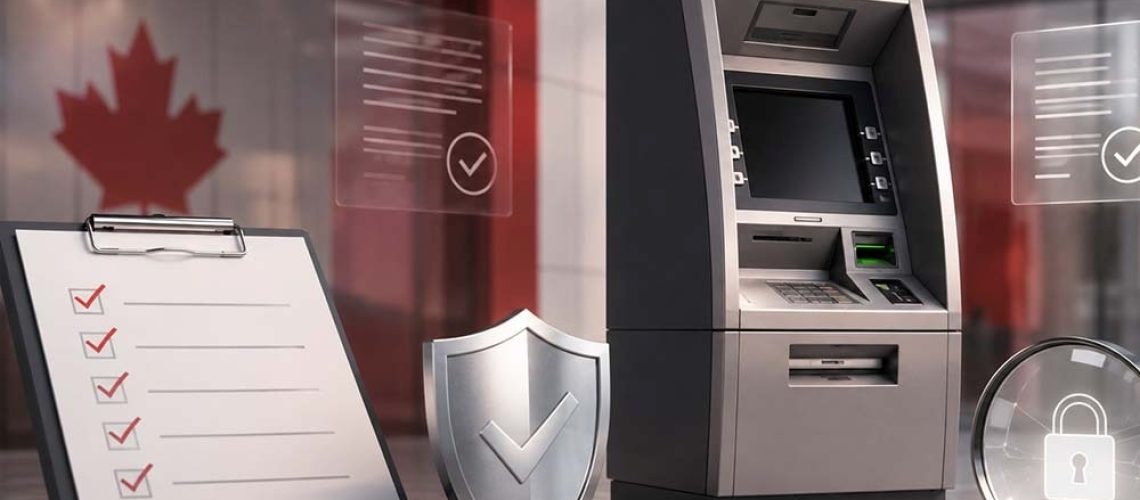

Operating an ATM business can provide convenient cash access and create an additional revenue stream for Canadian businesses. However, regulatory responsibilities have become increasingly important as authorities strengthen anti-money laundering controls. Understanding ATM cash machine regulations in Canada 2026 is essential for operators, acquirers, and businesses involved in private automated banking machine services.
Canada’s compliance framework focuses heavily on transparency, transaction monitoring, record keeping, and preventing financial crime. Operators should understand how their specific business model fits within federal requirements before installing machines or expanding an existing ATM network.
Understanding ATM Regulations in Canada
ATM legal requirements in Canada can depend on the role a business performs within the transaction process. A private ATM owner, location operator, processor, and acquirer may have different responsibilities.
The Proceeds of Crime (Money Laundering) and Terrorist Financing Act and associated regulations form an important part of Canada’s anti-money laundering framework. FINTRAC supervises reporting entities covered by this legislation.
Under current rules, businesses providing acquirer services related to private automated banking machines may qualify as money services businesses. An acquirer connects a private ATM to a payment card network to facilitate transactions.
Therefore, understanding ATM operator rules in Canada, FINTRAC requires carefully identifying the services your business actually provides. Simply owning or hosting a machine does not automatically mean every business has identical regulatory obligations.
FINTRAC Registration and ATM Businesses
One major question surrounding Canada’s ATM compliance requirements 2026 is whether an ATM business must register with FINTRAC.
Businesses that qualify as money services businesses must register before beginning regulated operations. Acquirer services connected with private automated banking machines are included among services that can bring a business within the money services business framework.
Registration itself is not a FINTRAC licence or endorsement. Instead, it confirms that a business has fulfilled the legal registration requirement. Registration information must also remain current, and MSB registrations generally require renewal every two years.
Operators reviewing ATM cash machine regulations in Canada 2026 should evaluate their activities instead of assuming registration requirements based only on the presence of an ATM.
Anti-Money Laundering Compliance Responsibilities
Anti-money laundering controls are central to the ATM operator rules in Canada, FINTRAC. Private ATMs can create financial crime risks when ownership, cash sources, or transaction patterns are not properly monitored.
Reporting entities must establish and implement an appropriate compliance program. This generally includes appointing a compliance officer, developing written policies and procedures, assessing money laundering and terrorist financing risks, providing compliance training, and reviewing program effectiveness.
Canada ATM compliance requirements 2026 also emphasize risk-based and effective compliance programs. Businesses should consider their locations, transaction activity, business relationships, and other relevant risk factors.
Suspicious transactions may need to be reported to FINTRAC when the required legal threshold is met. Record keeping and applicable know-your-client obligations are also important parts of the compliance framework.
Why ATM Cash Sources Matter
Cash loading is a particularly important concern for private ATM operations. Criminal funds could potentially be placed into a machine and later withdrawn by customers, creating opportunities to introduce illicit cash into the financial system.
Operators should maintain clear records regarding ATM ownership, funding arrangements, and cash sources. Strong internal controls can help identify unusual activity and demonstrate responsible business practices.
When reviewing ATM legal requirements in Canada, businesses should document procedures rather than relying on informal practices. Clear records can support compliance reviews and help employees understand their responsibilities.
Building a Compliant ATM Operation
The first step is understanding your role. Determine whether you own machines, host ATMs, load cash, provide processing services, or connect private ATMs to payment card networks.
Next, assess whether your activities trigger FINTRAC registration or reporting entity obligations. Businesses subject to ATM operator rules in Canada, FINTRAC, should establish compliance procedures before conducting regulated activities.
Regular training is equally important. Employees and authorized individuals should understand suspicious activity indicators, internal escalation procedures, record requirements, and relevant reporting responsibilities.
Because ATM cash machine regulations in Canada 2026 may interact with payment network agreements, provincial business requirements, contracts, and federal anti-money laundering rules, professional legal or compliance advice can be valuable for complex operations.
Staying Prepared for Compliance Changes
Regulatory expectations continue to develop as Canada modernizes its anti-money laundering framework. Operators should regularly review official FINTRAC guidance and assess whether business changes affect existing obligations.
Canada ATM compliance requirements 2026 should be treated as an ongoing operational responsibility. Adding machines, changing cash funding arrangements, entering new partnerships, or providing additional services may alter a company’s compliance risk.
A proactive approach to ATM legal requirements in Canada can reduce regulatory exposure while supporting a transparent and sustainable ATM business.
FAQ’s
Q1. What regulations govern ATM operators in Canada?
A: ATM businesses may be affected by the Proceeds of Crime (Money Laundering) and Terrorist Financing Act, associated regulations, payment network requirements, and other applicable federal or provincial rules. The exact obligations depend on the services performed by the business.
Q2. Does running an ATM in Canada require FINTRAC registration?
A: Not every business associated with an ATM automatically has identical registration requirements. However, businesses providing regulated money services, including acquirer services related to private automated banking machines, may qualify as money services businesses and must register with FINTRAC before beginning regulated operations.
Q3. What are the anti-money laundering rules for ATM operators in Canada?
A: Covered reporting entities may need a compliance program, risk assessment, written policies, training, effectiveness reviews, record keeping, client identification measures, and transaction reporting procedures. Suspicious transactions must be reported when legal reporting thresholds are met.
Q4. Can anyone operate an ATM cash machine in Canada legally?
A: Private ATMs can be operated legally in Canada, but businesses must understand their role and comply with applicable regulatory, contractual, payment network, and anti-money laundering requirements. Operators should confirm their specific obligations before launching or expanding ATM services.