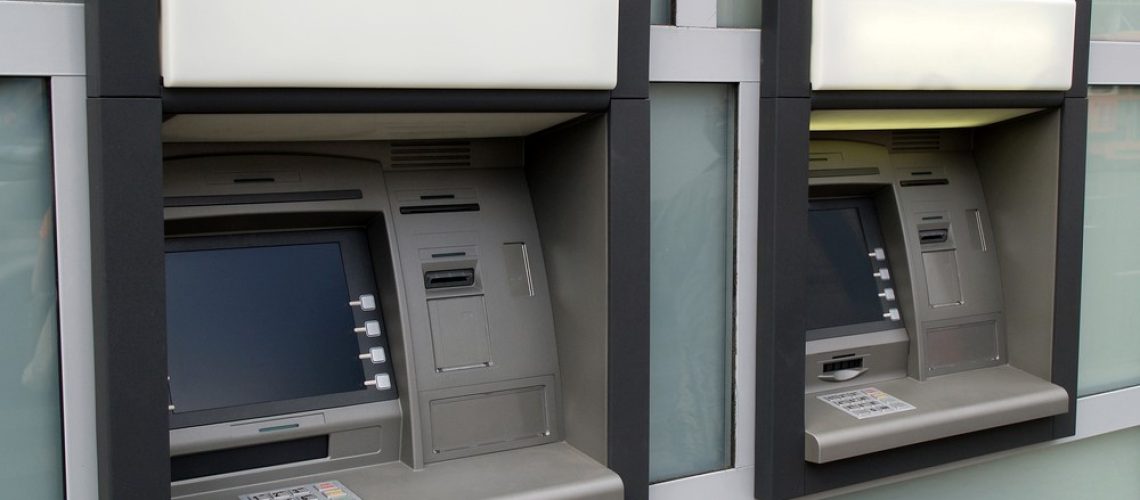

Automated Teller Machines (ATMs) have been around for decades, but the technology powering them has advanced significantly in recent years. What was once a simple cash-dispensing device has evolved into a sophisticated financial tool capable of handling multiple transaction types securely and efficiently. For banks, independent operators, and consumers, the advancements in modern ATM software systems and processing infrastructure have reshaped how we interact with cash and digital payments.
This blog will explore the critical technologies behind modern ATM operations, how transactions are processed, and why upgrades like EMV and encryption have become essential in today’s financial landscape.
The Core of ATM Operations – Software Systems
At the heart of every ATM lies its software. These ATM software systems act as the brain of the machine, connecting the hardware components to banking networks while managing user interfaces, transaction logic, and communication protocols.
Modern software platforms are no longer limited to cash withdrawals and balance inquiries. They support deposits, bill payments, fund transfers, and even mobile wallet integrations. This evolution has turned ATMs into multifunctional kiosks that can perform almost all routine banking services.
Some of the key functions handled by ATM software systems include:
- User Authentication: Verifying PINs, biometric data, or card details.
- Transaction Management: Routing requests like withdrawals or deposits to the correct banking networks.
- Compliance Monitoring: Ensuring that all transactions follow banking regulations and security standards.
- Integration with Digital Banking: Allowing customers to connect ATMs with mobile banking apps for a seamless experience.
Banks and independent ATM operators often rely on customized software to differentiate their services and ensure compatibility with various back-end systems.
How ATM Transaction Technology Works
When a customer inserts their debit or credit card and requests a withdrawal, several complex processes occur behind the scenes. This is where ATM transaction technology plays its role.
- Card Reading: The ATM reads the card information using magnetic stripe, chip (EMV), or contactless NFC technology.
- Authentication: The system prompts for a PIN or biometric input and verifies the credentials with the bank’s host processor.
- Transaction Routing: The request is sent through secure networks such as VISA, Mastercard, or Interac in Canada.
- Authorization: The customer’s bank checks for available funds, fraud risk, and card validity before approving the request.
- Cash Dispense or Confirmation: Once approved, the ATM dispenses cash or confirms other requested services.
- Settlement: The transaction data is logged, and the bank accounts involved are updated accordingly.
Without these integrated layers of ATM transaction technology, the seamless experience consumers rely on would not be possible.
Ensuring Secure ATM Processing
Security remains the most critical aspect of ATM operations. With financial crime becoming more sophisticated, banks and operators must implement robust measures for secure ATM processing.
Some of the most important technologies and practices include:
- End-to-End Encryption (E2EE): Protects data as it travels from the ATM to the host processor.
- Tokenization: Replaces sensitive card data with unique digital identifiers.
- Biometric Authentication: Adds a second layer of protection using fingerprints or facial recognition.
- Anti-Skimming Devices: Detect and prevent fraudulent card-reading attempts.
By leveraging secure ATM processing, financial institutions not only protect customers from fraud but also build trust in their services.
The Importance of EMV ATM Upgrades
One of the most significant advancements in ATM security has been the adoption of EMV (Europay, Mastercard, and Visa) chip technology. EMV ATM upgrades have transformed how ATMs handle transactions by replacing vulnerable magnetic stripe systems with chip-based cards that are much harder to counterfeit.
These upgrades are vital because:
- Reduced Fraud: EMV chips create unique transaction codes that cannot be reused by fraudsters.
- Global Standards: EMV compliance ensures compatibility with international banking networks.
- Regulatory Requirements: Many regions mandate EMV upgrades to reduce liability in fraud cases.
For operators in Canada and around the world, EMV ATM upgrades are not optional—they are a necessity for staying compliant and maintaining customer trust.
ATM Software Systems and Integration with Banking
One of the emerging trends in ATM technology is the integration of ATM software systems with broader digital banking platforms. For example, many banks now allow customers to initiate transactions on mobile apps and complete them at ATMs without inserting a card.
This level of integration requires sophisticated middleware that connects ATMs to core banking platforms in real time. Benefits include:
- Faster transaction processing.
- Reduced reliance on physical cards.
- Enhanced customer experience through personalization and targeted services.
The Role of Cloud and AI in ATM Processing
Modern ATMs are increasingly adopting cloud computing and artificial intelligence to improve performance. Cloud-based solutions allow operators to update ATM software systems remotely, reducing downtime and maintenance costs. AI, on the other hand, helps with fraud detection and predictive maintenance. For example, machine learning algorithms can detect unusual spending patterns to flag potential fraud instantly. AI also enables operators to predict when cash replenishment or hardware servicing is needed, improving uptime and reducing operational costs.
Challenges in Modern ATM Processing
Despite significant advancements, challenges remain in the ATM industry. These include:
- Cybersecurity Threats: Hackers constantly look for vulnerabilities in software and network connections.
- High Upgrade Costs: Implementing EMV ATM upgrades and advanced software requires significant investment.
- Changing Consumer Habits: With more people using digital wallets, demand for cash withdrawals has shifted, forcing operators to diversify ATM functions.
Still, innovation in ATM transaction technology is helping to address issues and future-proof ATM networks.
Future of ATM Technology
The future of ATM processing will likely involve even greater integration with digital banking, stronger reliance on AI, and wider adoption of contactless transactions. Customers can expect features like voice recognition, QR code-based withdrawals, and real-time fraud alerts.
With continuous investment in secure ATM processing and cloud-driven updates, ATMs will remain a central part of financial infrastructure, especially in regions where cash is still in high demand.
Conclusion
ATMs may appear simple to the everyday user, but the technology behind them is highly advanced. From ATM software systems to global transaction routing, encryption, and EMV ATM upgrades, modern machines are designed to deliver secure, reliable, and fast banking experiences.
As financial services continue to evolve, ATMs will adapt alongside them, ensuring they remain relevant and useful in both urban and rural communities. For businesses and consumers alike, understanding this technology provides confidence in the safety and efficiency of modern banking.
FAQ’s
Q1. How do ATMs process transactions?
A: ATMs process transactions by reading card data, verifying credentials, routing the request through banking networks, securing authorization, dispensing cash or confirming the service, and then updating account balances.
Q2. What is EMV technology in ATMs?
A: EMV is a global standard using chip-based cards instead of magnetic stripes. EMV ATM upgrades add stronger security by generating unique transaction codes that prevent counterfeiting and fraud.
Q3. How secure are ATM processing systems?
A: With encryption, biometric authentication, and secure ATM processing protocols, modern ATMs are highly secure. Continuous upgrades and fraud detection tools help maintain safety against emerging cyber and physical threats.